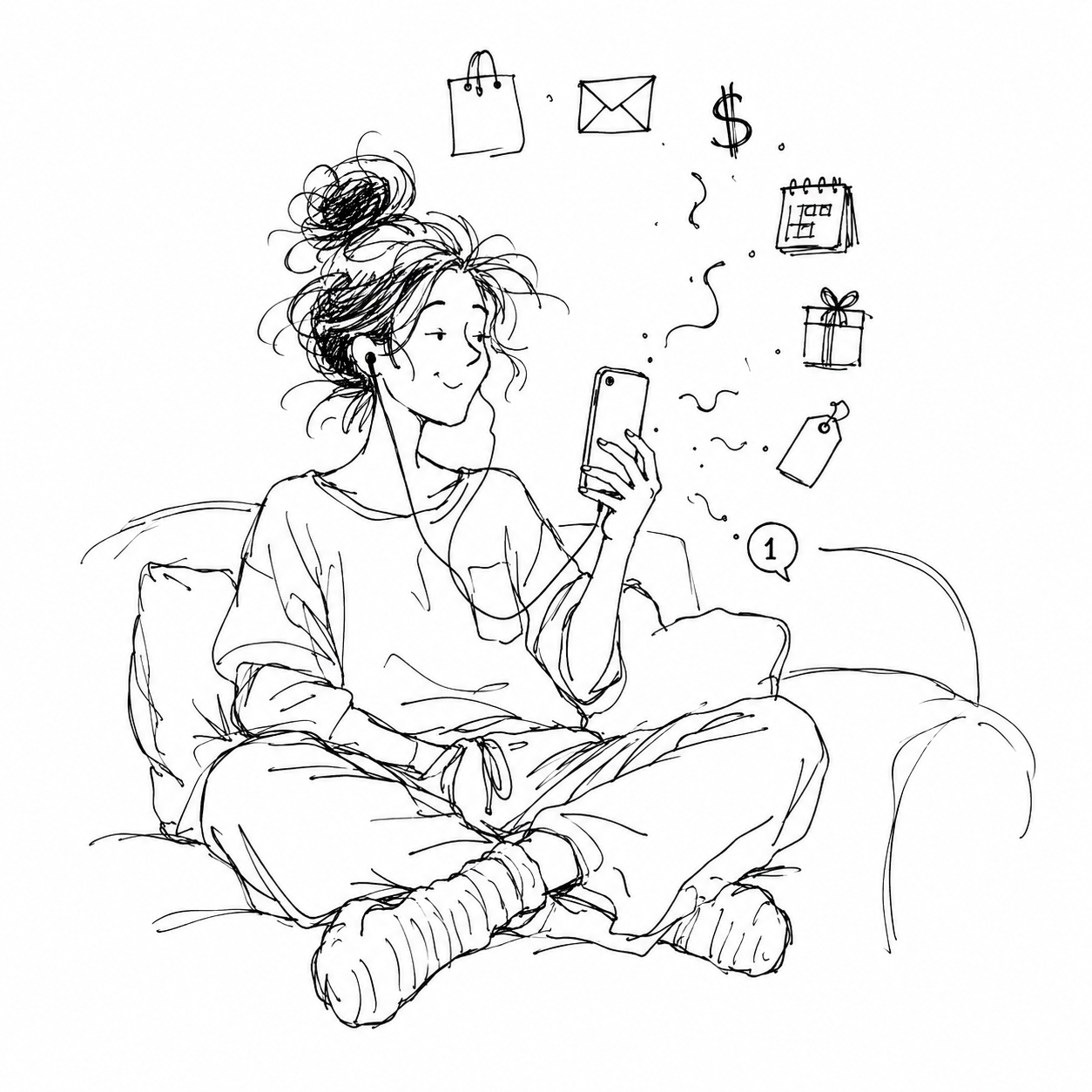
Ich bin im Fitnessstudio. Schrägband-Laufen, Geschwindigkeit 3,5, Podcast in einem Ohr. Mein Handy vibriert. Keine SMS. Es ist Claude, das die Produktseite fertiggestellt hat, die ich vor zwanzig Minuten beim Aufwärmen in Auftrag gegeben habe.
Ich prüfe es. Tippe mit dem Daumen zwei Korrekturen. Senden. Zurück zum Podcast. Bis ich meinen Satz beendet habe, sind die Korrekturen live.
So arbeite ich jetzt. Und ich gehe nicht zurück.
Das Setup, nach dem niemand gefragt hat
Ich führe mein gesamtes Business über Telegram. Nicht Slack. Nicht Notion. Nicht irgendein $40/Monat-Projektmanagement-Tool mit Gantt-Diagrammen, die ich nie anschaue. Telegram. Die Messaging-App, die deine internationalen Freunde nutzen.
Claude Code ist damit verbunden. Ich texte Anweisungen. Claude baut. Ich prüfe von wo auch immer ich gerade bin. Dem Auto. Der Couch. Der Kassenschlange im Supermarkt, während ich so tue, als würde ich meine Kundenkarte suchen.
Es gibt kein Büro. Es gibt keinen Arbeitsweg. Es gibt kein „Lass mich erst an meinen Schreibtisch." Der Schreibtisch ist ein Vorschlag, keine Voraussetzung.
"Der Schreibtisch ist ein Vorschlag, keine Voraussetzung."
— The Lazy Viber
Wie es sich wirklich anfühlt
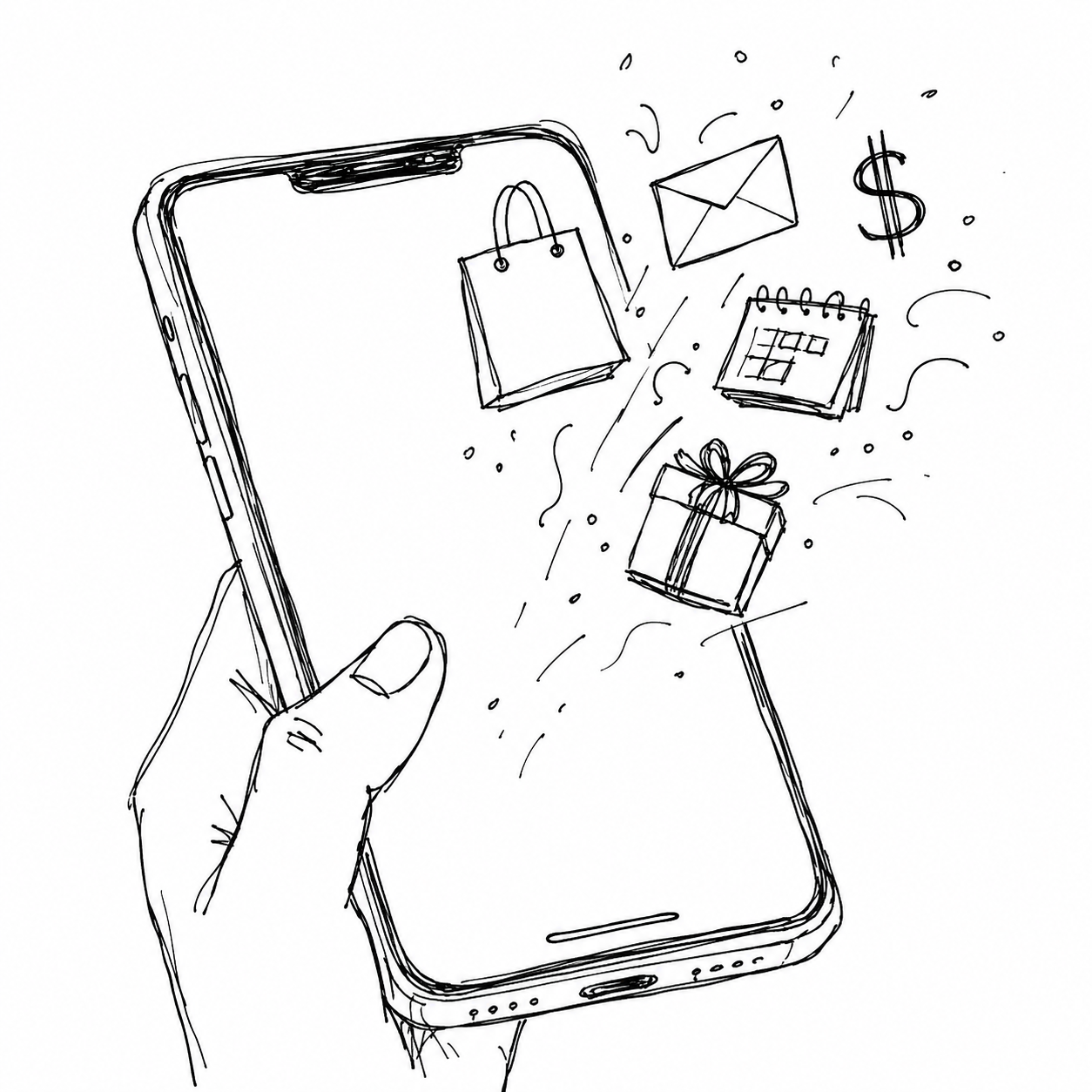
Es fühlt sich an wie Schummeln. Das ist die ehrliche Antwort. Leute beschreiben ihren Arbeitstag in Stunden am Schreibtisch, besuchten Meetings, gesendeten E-Mails. Ich beschreibe meinen in Dingen, die fertig geworden sind.
Dienstag habe ich drei Produktseiten vom Rücksitz eines Uber gebaut. Mittwoch habe ich die gesamte FAQ-Sektion umgeschrieben, während ich auf einen Arzttermin gewartet habe. Donnerstag habe ich nichts angefasst, weil ich keine Lust hatte und nichts brannte.
Das ist der Teil, über den niemand spricht. Wenn deine Tools so schnell und so portabel sind, bekommst du Zeit zurück. Echte Zeit. Nicht „optimierte" Zeit. Tatsächliche Stunden, in denen du nicht arbeitest, weil die Arbeit erledigt ist.
Der Einwand
„Aber brauchst du nicht Deep Focus? Einen richtigen Arbeitsplatz? Zwei Monitore?"
Vielleicht brauchst du das. Ich nicht. Meine beste Arbeit passiert in Bewegung. Auf dem Laufband. Im Auto. In den fünfzehn Minuten zwischen Aufwachen und der Entscheidung, ob ich aufstehe. Einschränkungen erzeugen Klarheit. Ein Handybildschirm zwingt dich, präzise zu sein, weil du auf einer winzigen Tastatur nicht schwafeln kannst.
Ich sage nicht, dass Schreibtische schlecht sind. Ich sage, sie sind optional. Und in dem Moment, in dem du erkennst, dass sie optional sind, verschiebt sich die ganze Idee von „Arbeit" unter deinen Füßen.
Der Punkt
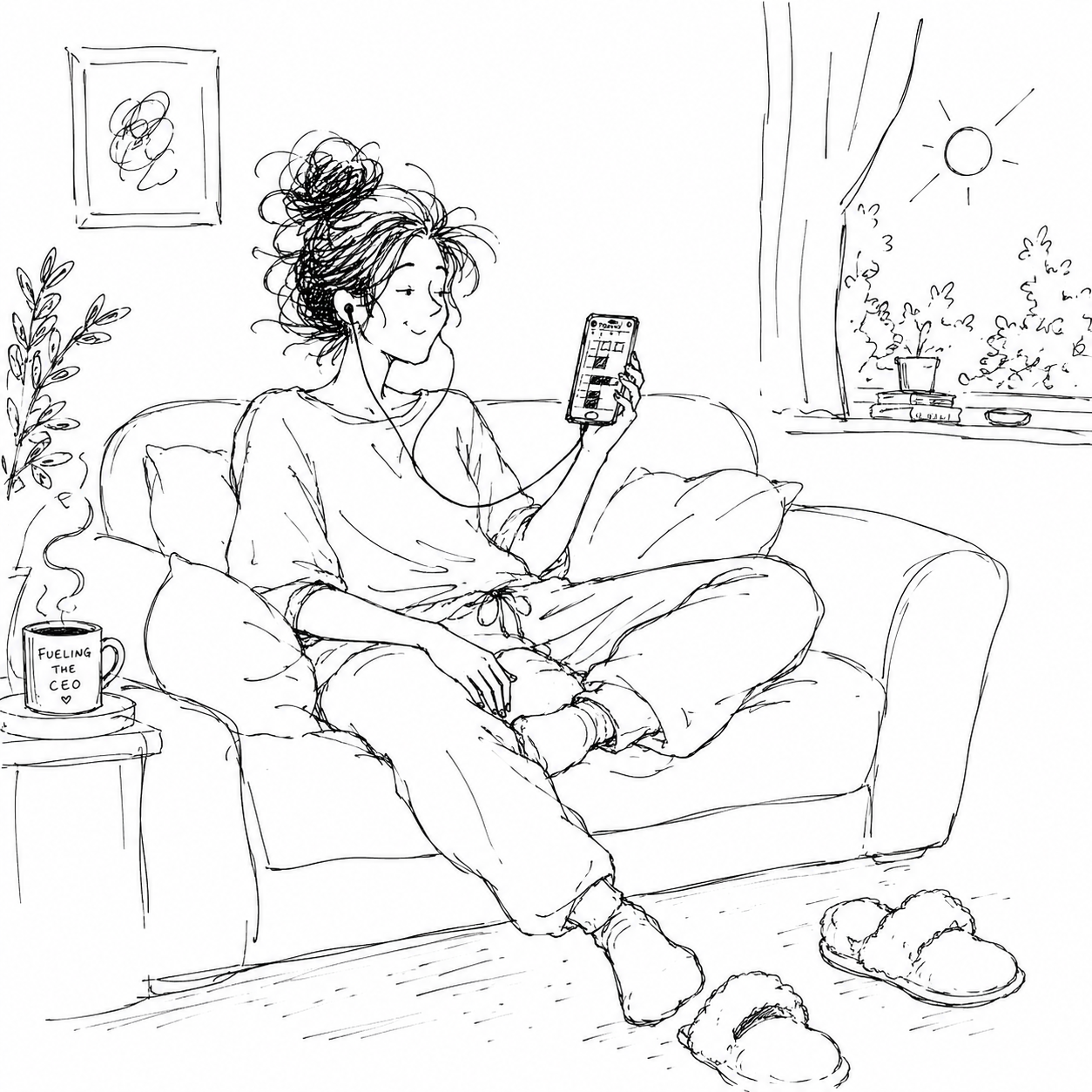
Remote Work war der erste Wandel. Von überall arbeiten mit Laptop und WLAN. Okay. Guter Anfang.
Das hier ist der zweite Wandel. Von überall arbeiten mit Handy und einer klaren Idee. Kein Laptop. Kein WLAN nötig. Keine Einrichtungszeit. Kein „Lass mich nur meine Dateien öffnen." Du denkst es, du textest es, es wird gebaut.
Die Zukunft ist nicht Remote Work. Es ist losgelöstes Arbeiten.
Willst du sehen, was losgelöstes Arbeiten produziert? Schau dir unsere Mission und den kompletten Produktkatalog unter /mission an.