
الدورات ماتت. هذا اللي استبدلها.
    ReadListen

    الدورات ماتت. هذا اللي استبدلها.

    الدورة بـ $49 اللي تأخذ 8 ساعات ضد الأمر بـ $3 اللي يأخذ 3 دقائق.

    5 دقائق للقراءة

    اشتريت دورة. أعرف إنك سويت. الكل سوّى. كانت بـ $49 أو $97 أو $297 وفيها 47 وحدة ومجتمع خاص وشهادة إتمام ما أحد طلبها أبداً.

    شاهدت يمكن 30% منها. أكملت يمكن 10%. تتذكر يمكن 2%.

    هذي مش مشكلتك. هذي مشكلة الصيغة.

    مجمّع الدورات الصناعي

    الدورات مبنية لصانع المحتوى، مش الطالب. ثمان ساعات محتوى تبرر سعر $200. سبع وأربعين وحدة تبان مبهرة في صفحة المبيعات. "منهج شامل" يبان أحسن من "الثلاثة أشياء اللي فعلاً تحتاج تعرفها."

    بس التعلم ما يصير بمشاهدة شخص ثاني يسوي أشياء على شاشة. التعلم يصير بإنك تسوي الشيء بنفسك. إحساس الإنجاز من إتمام الوحدة 12 من 47 تقدم مزيف. إحساس الإنجاز من تصنيف معاملاتك فعلياً بأمر حقيقي في وقت حقيقي؟ هذا حقيقي.

    واحد استهلاك. والثاني تنفيذ. يحسون متشابهين. مش متشابهين.

    "إحساس الإنجاز من إتمام وحدة تعليمية تقدم مزيف. إحساس الإنجاز من فعل الشيء نفسه حقيقي."

    مشكلة التقادم

    وهذا الشيء الثاني. أدوات AI تتحدث باستمرار. Claude اليوم مش Claude قبل ستة أشهر. دورة مسجلة في يناير قديمة جزئياً بحلول مارس. الواجهة تغيرت. القدرات توسعت. الأوامر اللي نجحت وقتها تشتغل بشكل مختلف الحين.
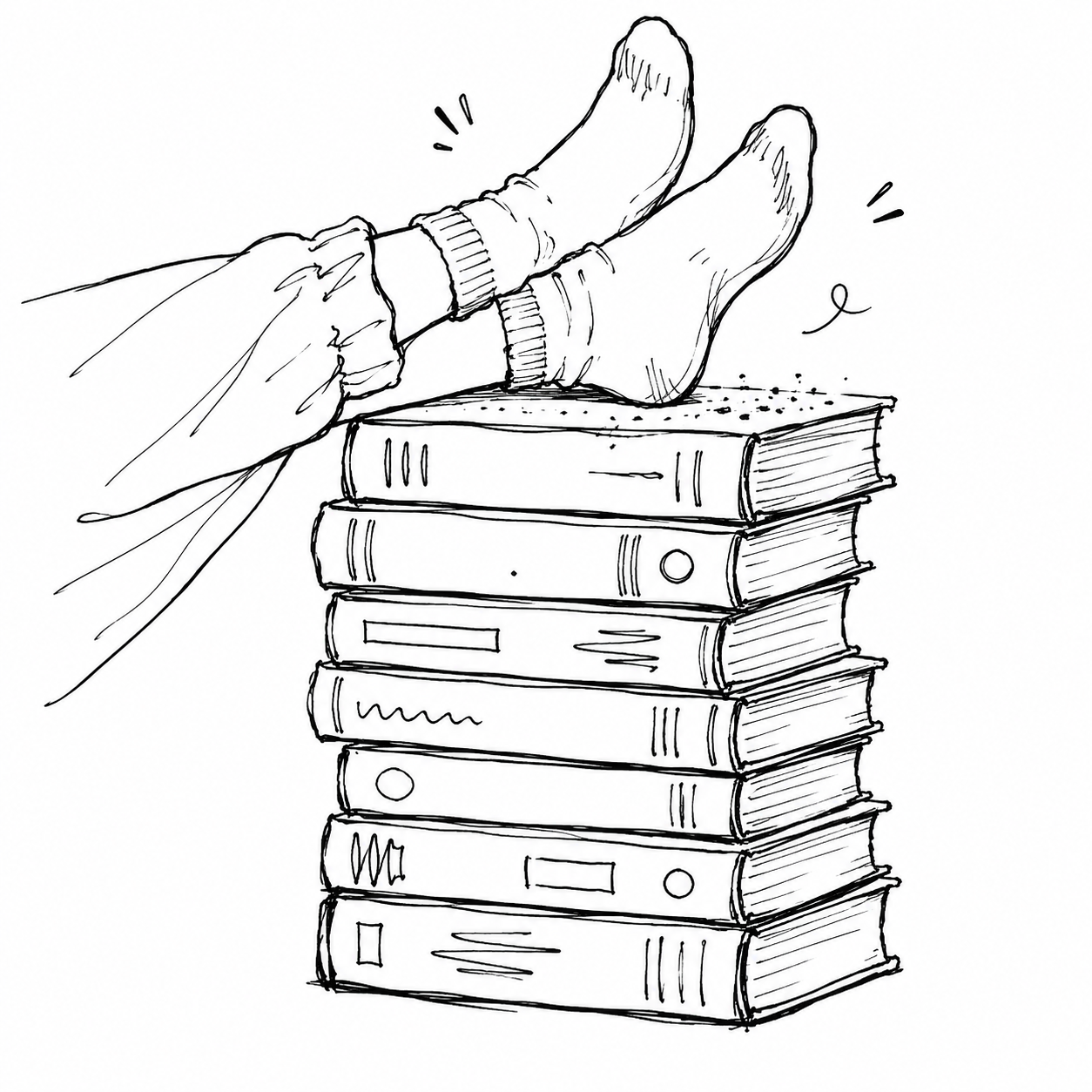
    Close-up of sock-clad feet resting on a stack of dusty unread textbooks used as an ottoman
    Skip the module. Do the thing.

    ما تقدر تتعلم بالدورات هدف متحرك. بحلول ما تخلّص الماستر كلاس من 8 ساعات عن "إتقان Claude"، الـ Claude اللي أتقنته ما يوجد بعد.

    الأوامر تتحدث في ثوانٍ. الدورات تأخذ أشهر لإعادة التسجيل. الصيغة ما تقدر تلحق التكنولوجيا.

    شو فعلاً ينفع

    مكاسب سريعة. بس. أمر واحد يسوي شيء واحد. تستخدمه فوراً. تشوف النتيجة. تفهم كيف يشتغل لأنك لسى سويته. مش لأن واحد شرحه لمدة 45 دقيقة في تسجيل شاشة.

    المكاسب السريعة تتراكم وتصير طلاقة. أمرك الأول يعلمك كيف الأوامر تشتغل. الخامس يعلمك شو شكل المخرجات الكويسة. العشرين يعلمك كيف تبني أنظمة. ما أخذت دورة. بس ظليت تسوي الشيء.

    هذي فلسفة The Lazy Viber، بصراحة. ما نبيع دورات. نبيع أوامر وأدلة توصلك تسوي الشيء في ثلاث دقائق بدل ما تشاهد واحد يتكلم عن الشيء لمدة ثمان ساعات.

    التحول

    التعلم يتغير. مش تدريجياً. الحين. الناس اللي يصيرون شاطرين في AI مش ياخذون دورات عن AI. يستخدمون AI. كل يوم. لمهام حقيقية. يغلطون. يكررون. يصيرون أسرع.

    الدورة بـ $49 اللي تأخذ 8 ساعات مشاهدة بتخسر كل مرة قدام الأمر بـ $3 اللي يجيب النتيجة في 3 دقائق. مش لأن الدورة سيئة. لأن الأمر فوري. والفورية هي كيف الكبار فعلاً يتعلمون.

    توقف عن الاستهلاك. ابدأ بالتنفيذ. عصر الدورات انتهى.

    ابدأ بأمر بدولار. سوّ الشيء. تعلم بالعمل. هذي كل الفلسفة. /dollar-bin

    The textbook stack as ottoman - the new use case for old courses
    Three minutes to results. Not eight hours to a certificate.
    BrainHelpful?

    Frequently asked

    Are online courses actually dead?

    The self-paced video course is on its way out. Long, pre-recorded, watch-alone courses get abandoned fast: completion sits at a median near 13%, and self-paced formats often finish under 3%. The exception is cohort-based courses with a live deadline and other people, which complete at 85% to 90%. So no, not every course is dead. The bloated, lonely, 47-module video course is.

    What replaced online courses for learning AI?

    Execution replaced them. One focused prompt or short guide that does one real task, run by you immediately, teaches more than hours of watching a screen recording. You learn AI by using AI on actual work, then doing it again faster. The format that wins is the one you finish, and you finish a three-minute task far more reliably than an eight-hour curriculum.

    Why do people not finish online courses?

    Because most courses are built to be bought, not finished. Length and module count justify the price, so the content pads itself, and the padding is exactly what people abandon. Add no deadline and no one waiting on you, and a self-paced course becomes no pace at all. It is a format problem, not a discipline problem.

    Is a $3 prompt really better than a $49 course?

    For learning a specific task, usually yes. The prompt gets you doing the real thing in minutes, which is how the lesson actually sticks, and it costs a fraction of a course you were statistically unlikely to finish. A course can still win when you want a structured arc with a live cohort and accountability. For "I need to do this one thing well, now," the prompt wins on speed and on follow-through.

    How do adults actually learn new tools?

    By doing small real tasks and stacking the wins. Immediacy matters: a result you produce yourself in three minutes teaches more than a concept explained for forty-five. Tools that change constantly make this truer, because static recorded lessons go stale while a quick hands-on prompt stays current. Do one thing, see it work, do the next.

    The Lazy Dispatch

    Weekly hacks for escaping the subscription economy, and our pulse on the advancements in artificial intelligence.