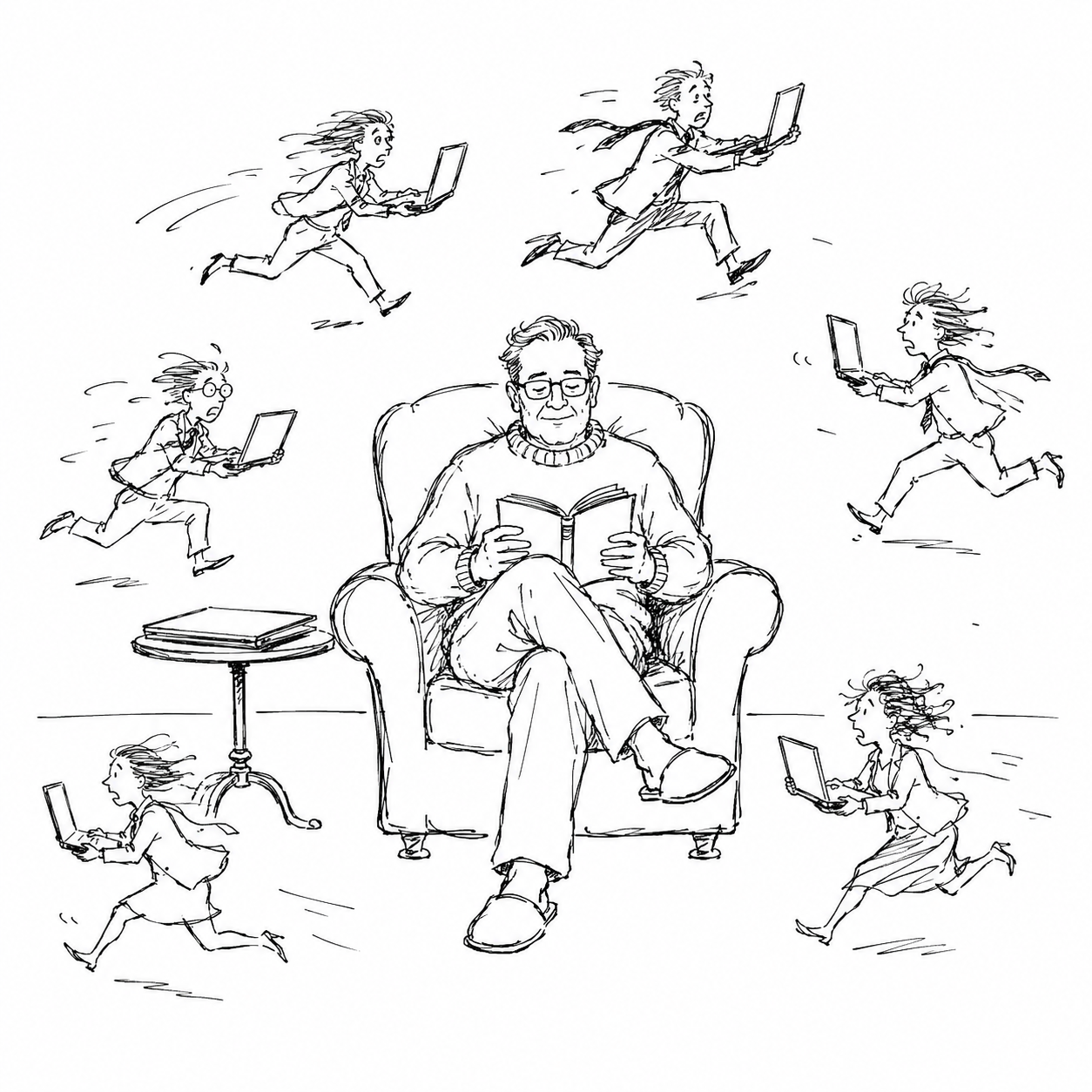
الناس اللي صاروا شاطرين في AI سنة 2024 صاروا بهدوء ما يُلحقون الحين.
    ReadListen

    الناس اللي صاروا شاطرين في AI سنة 2024 صاروا بهدوء ما يُلحقون الحين.

    مش تخويف. بس الحسبة الصادقة على ميزة سنتين سبق.

    6 دقائق للقراءة

    سنة 2024، أغلب الناس كانوا في محادثة "هل AI بيأخذ شغلي". حفلات عشا. ثريدات تويتر. مقالات رأي مع صور ستوك لروبوتات. استخدام منتج جداً لوقت الكل.

    في نفس الوقت، مجموعة صغيرة من الناس بهدوء بدأت تستخدم الأدوات. مش تتناقش فيها. تستخدمها. كل يوم. لشغل حقيقي. لفلوس حقيقية.

    الحين 2026. والفجوة بين هالمجموعتين صارت تقريباً مستحيلة العبور.

    مشكلة التراكم

    الراحة مع AI تتراكم مثل الفائدة المركبة. السنة الأولى ركيكة. تكتب أوامر سيئة، تحصل مخرجات متوسطة، تتساءل وين الضجة. طبيعي.

    السنة الثانية طلاقة. تعرف أي أداة تستخدم لشو. تعرف كيف تصيغ الأشياء عشان AI يعطيك بالضبط اللي تحتاج من أول محاولة. أوامرك اثني عشر كلمة لأنك ما تحتاج خمسين.

    السنة الثالثة ما تُلحق. ما عدت تفكر في AI. هو بس كيف تشتغل. مثل ما ما تفكر في Google، بس تبحث. مثل ما ما تفكر في تلفونك، بس تستخدمه. AI يصير بنية تحتية غير مرئية لكل شيء تسويه.

    "السنة الأولى ركيكة. السنة الثانية طلاقة. السنة الثالثة ما تُلحق."

    شو شكل ما يُلحق
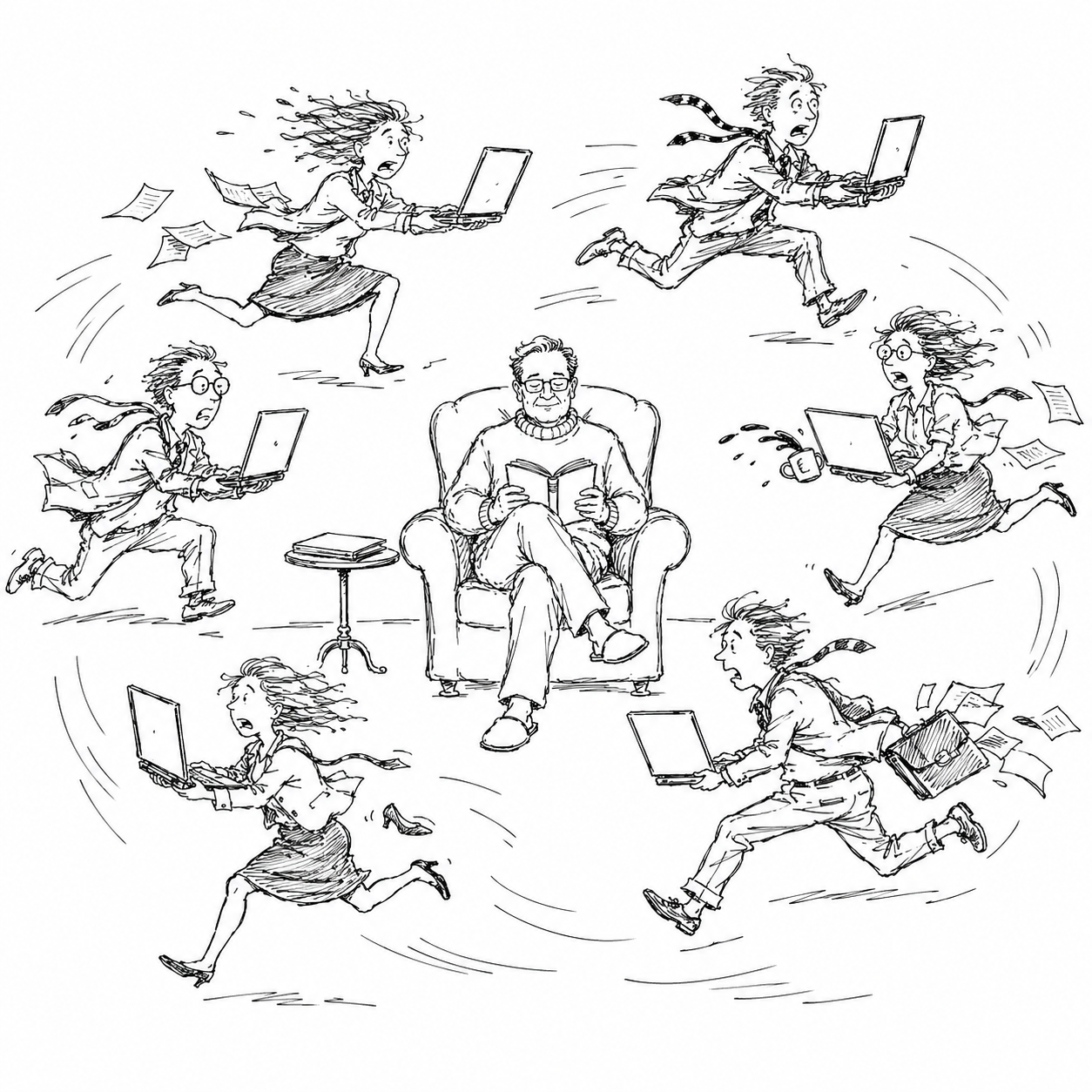
    Wide shot of bewildered figures running with laptops in a chaotic orbit around the calm seated reader, the compounding advantage made visible
    Two years of reps. Invisible advantage.

    أعرف كاتبة مستقلة بدأت تستخدم Claude بداية 2024. وقتها كانت تستخدمه للعصف الذهني لمخططات. أشياء ركيكة. الكل كان يسوي كذا.

    الحين تدير عملية المحتوى كاملة عبر AI. بحث، صياغة، تحرير، إعادة استخدام، تقارير العملاء. تنتج ثلاث أضعاف اللي كانت تنتجه قبل سنتين. أسعارها ارتفعت، ما نزلت. لأنها تسلّم أسرع والجودة أحسن.

    منافسيها، اللي انتظروا، الحين يتعلمون الأساسيات اللي أتقنتها قبل ثمانية عشر شهر. يكتبون الأوامر السيئة. يحصلون على المخرجات المتوسطة. يتساءلون وين الضجة.

    هي ما تُلحق. مش لأنها أذكى. لأنها بدأت.

    مش عن الذكاء

    هذا الجزء اللي الناس تغلط فيه. يعتقدون المتبنين الأوائل كانوا عباقرة تقنيين شافوا المستقبل. لا. أغلبهم كانوا بس فضوليين. أو كسالى. أو الاثنين.

    الميزة مش الذكاء. هي التكرار. عشرة آلاف قرار صغير تاخذها لما تستخدم أداة كل يوم لمدة سنتين. أي أوامر تنجح. أيها لا. متى ترفض المخرجات. متى تثق فيها. كيف تجمع الأدوات. كيف تبني أنظمة بدل مهام فردية.

    ما تقدر تختصر التكرار. ما تقدر تقرأ تدوينة وتتجاوز المرحلة الركيكة. لازم تمر فيها.
    Close-up of the calm seated man, half-smile, reading his paperback while the rest of the world panics around him in soft motion-blur
    The clumsy phase is the price of admission.

    الأخبار الحلوة

    الفجوة تتسع كل شهر. هذي الأخبار السيئة. الأخبار الحلوة؟ لسى أنت أبكر من 90% من الناس. أغلب العالم لسى ما لمسوا هالأدوات أبعد من سؤال ChatGPT يكتب رسالة عيد ميلاد.

    البداية الحين ما تحطك في أول الصف. بس تحطك في الصف. والوقوف في الصف يغلب الوقوف برا المبنى تتجادل إذا الصف يستاهل.

    أحسن وقت للبداية كان 2024. ثاني أحسن وقت هو الحين.

    ابدأ بدولار. خذ أمر من سلة الدولار وسوّ شيء حقيقي مع AI اليوم. هذا أول تكرار. /dollar-bin
    BrainHelpful?

    Frequently asked

    Can I still catch up if I start using AI now?

    You will not catch the people two years in, and chasing them is the wrong goal anyway. But you do not need to. Only about a quarter of US adults use AI weekly, so the serious-use field is still thin. Start a daily habit now and in a year you are fluent, which puts you ahead of most of the people currently debating it.

    What actually makes early AI adopters better, if not intelligence?

    Reps. The advantage is accumulated judgment: tens of thousands of small calls about which prompt works, when to trust output, when to discard it, and how to chain tools into a system. None of that is IQ. All of it comes from daily use over time, which is why it cannot be read or bought, only built.

    Why does AI skill compound instead of plateau?

    Because every workflow you hand to AI stops being a thing you redo from scratch. The reusable prompts and small systems you build become assets you keep, so each new task starts further ahead than the last. Skill on top of accumulating assets is what bends the curve upward instead of flat.

    How much AI experience do I need before it feels easy?

    In rough terms, expect a clumsy first stretch, a fluent second one, and eventually a phase where you stop noticing the tool at all. The timeline depends entirely on frequency. Daily use compresses it. Occasional use stretches the clumsy phase out indefinitely, which is why most casual users never get past it.

    What is the cheapest way to start building AI reps today?

    Grab one prompt and do something real with it the same day. The Lazy Viber dollar bin has prompts from one dollar, built to produce an actual result on the first try so your first rep is a win instead of a shrug. One real task beats a month of reading about AI.

    The Lazy Dispatch

    Weekly hacks for escaping the subscription economy, and our pulse on the advancements in artificial intelligence.