Coffee is still a dollar here. A plain cup of coffee cost about a dollar in 1997. Today that same cup is five, six, seven dollars in the city, while the dollar in your pocket buys almost nothing. The $1 Bin ignores all of that on purpose. You hand over a dollar, you get something small and real and usable today, and for one second the internet stops trying to bill you monthly. It is a hello, not a transaction.
There is a price on the front of the shop that has not moved in a very long time. A dollar. In a year when nothing else costs a dollar, that is either a mistake or a message. It is a message.
Let me walk you through why.
We adjusted, but we never grieved
A plain cup of coffee cost about a dollar in 1997. You handed over a bill, you got a coffee, and you walked out feeling like a person who could afford things. A dollar still felt like money. The eggs, the gas, the movie ticket, all of it ran a fraction of today's number.
Then it all went up. Slowly, then in one ugly stretch, then slowly again. The coffee did not just keep pace with everything else. It lapped it. Money in general roughly doubled since 1997. The cup of coffee went up five, six, seven times. We are good at adjusting. We moved the numbers in our heads, we stopped reading the total at the bottom of the receipt, we learned to say "seven dollars" for a latte in the city without flinching. That part is almost impressive.
But nobody held a funeral for the dollar. It just quietly stopped meaning anything and we all agreed not to bring it up. The dollar is still in your pocket. It just does not open any doors anymore.
This post is about one door it still opens.
The trick everyone runs
Here is the move the modern internet makes, and once you see it you cannot unsee it. Almost everything online is now priced at "what the market will bear." That phrase sounds neutral. It is not. It always rounds up. It is a polite way of saying "the most we can charge you before you close the tab."
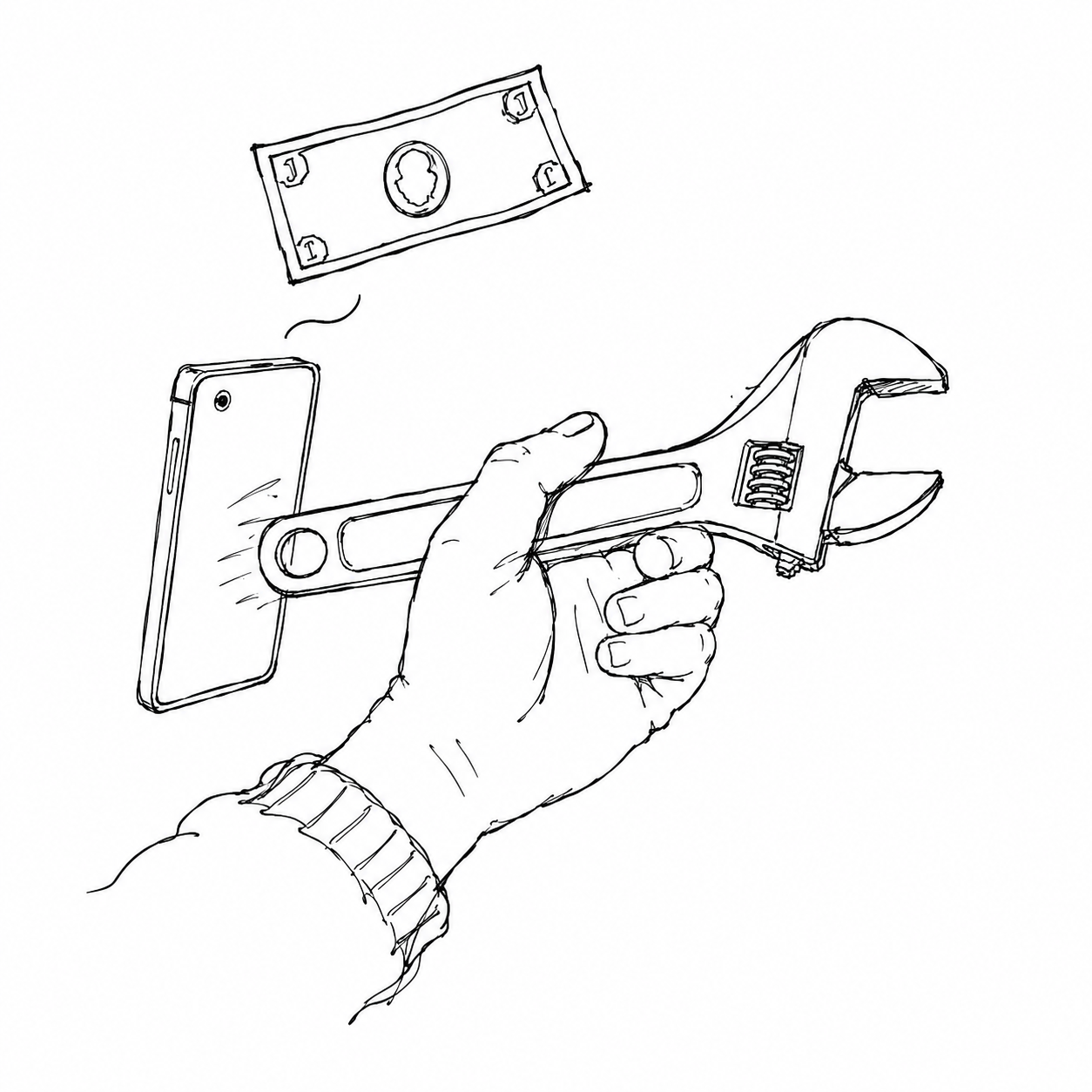
So the small tool that should cost a dollar costs nineteen, monthly. The one good PDF becomes a nine-dollar "lead magnet" with an upsell stapled to the back. The forty-minute thing a person actually knows becomes a ninety-nine-dollar mini-course with a countdown timer. Everyone is racing the dollar to the bottom of its own value and calling it a business model.
""What the market will bear" is a polite way of saying "the most we can charge you before you close the tab.""
None of it is evil. It is just the default. And the default is exhausting, because every single thing now wants to be a tiny recurring relationship you did not ask for.
The reverse
The $1 Bin does the opposite, and the opposite is the entire point. A dollar. Still a dollar. Priced in 1997 money, and we do not accept inflation at this register. Not because I cannot do math. Because the gesture only works if it costs what a hello should cost, which is almost nothing.
This is not a discount. A discount is a high price wearing a costume, waiting to go back up. This is just the price. It was always going to be a dollar. You will not find a "was $49, now $1" sticker anywhere near it. That sticker is a lie and we both know it.
What the dollar actually buys
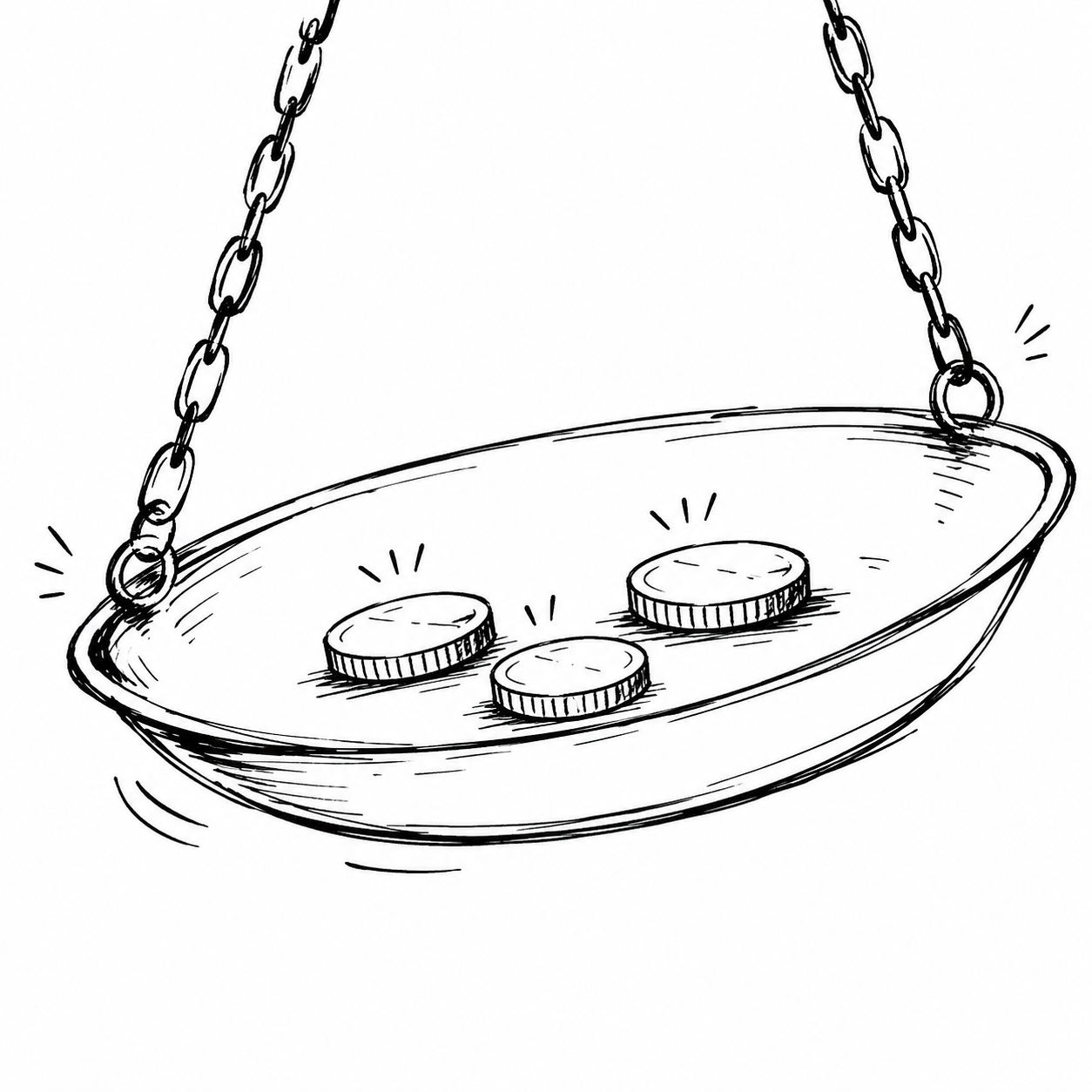
A real thing. That is the part people brace for, because the internet has trained you to expect that a dollar buys bait. It does not. A dollar in the $1 Bin gets you one tight, tested, useful thing you can put to work today. A sharp prompt that ends one specific annoyance. A small template. A mini-guide that does exactly one job and does it well.
Not a trailer for a product. Not a taste designed to make you hungry for the ninety-nine-dollar version. The whole thing, complete, for a dollar. It is small. Small is not the same as flimsy. A good snack is not a failed meal.
Why a dollar is worth doing at all
Nobody is funding a yacht on dollar coffees. This was never about the dollar. It is a small protest. One corner of the internet that still runs on 1997 rules, where the price says hello before it asks for anything, where you can pick my brain and buy me a coffee like it's 1997 and walk away having spent less than you lose in your couch cushions. It makes this whole depot feel different from every other creator shop, because it is built on a different question. Not "what will they bear," but "what would make someone feel like they got away with something."
It is the same instinct behind everything else here. Buy the thing once, own it, walk off. Stop renting tools that should have been yours. The dollar is just that idea, shrunk down to pocket size and set on the front porch where you trip over it on the way in.
Here. Have a coffee.
The world lost the plot on what a dollar is. Fine. This one register did not.
Pull up a chair. It is still a dollar. It might fix your afternoon. It might, on a good day, change something bigger. Either way, the hello is free and the coffee is cheap, and that is the most 1997 thing I can offer you in 2026.
"Here. Have a coffee. It's still a dollar."
Browse the bin at thelazyviber.com/dollar-bin. The same protest, pointed at subscriptions: Stop paying for AI subscriptions. Rent versus own, the long version: API vs subscription.