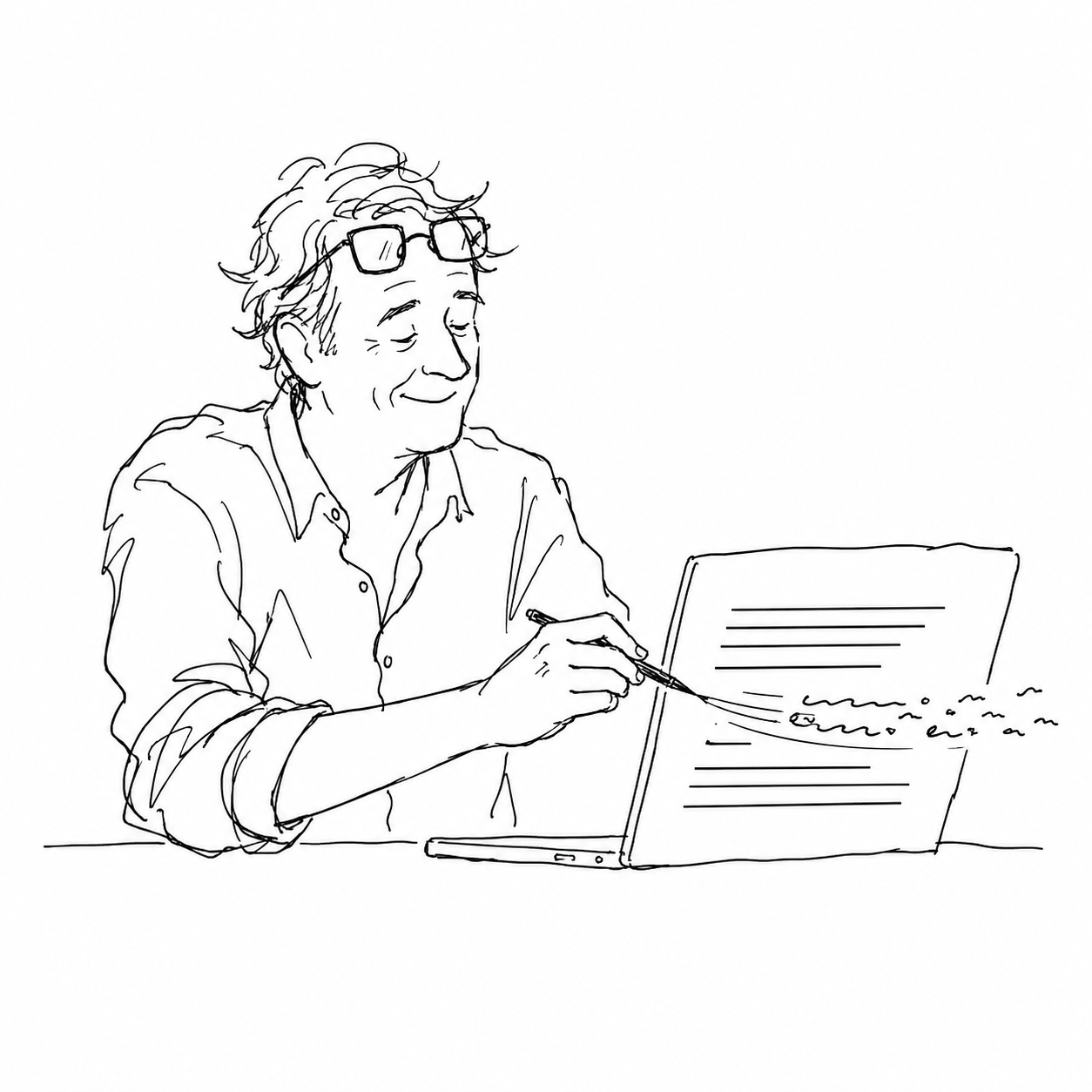
Cancelei o Grammarly e Minha Escrita Melhorou

    Por que um corretor gramatical não é a mesma coisa que um coach de escrita

    6 min de leitura

    O Grammarly Premium custa $12/mês. Paguei por três anos. Minha escrita não melhorou. Eu só fiquei dependente dos sublinhados verdes.

    A Armadilha do Grammarly

    O Grammarly corrige seus erros. Não te ensina por que são erros. Toda vez que ele autocorrige algo, você não aprende nada.

    "É a diferença entre uma muleta e fisioterapia. Uma te mantém andando; a outra te deixa mais forte."

    O Que o Claude Faz de Diferente

    Quando colo meu texto no Claude e pergunto "O que poderia ficar mais claro?", recebo explicações. "Essa frase está na voz passiva. Veja como torná-la ativa, e por que a voz ativa é mais forte nesse contexto."

    Aprendo algo toda vez. Depois de seis meses assim, preciso de menos edição.

    O Fluxo de Trabalho

    Escreva primeiro. Não edite enquanto escreve: isso mata o fluxo.

    Cole no Claude com: "Revise isso pra clareza, concisão e impacto. Explique suas sugestões."
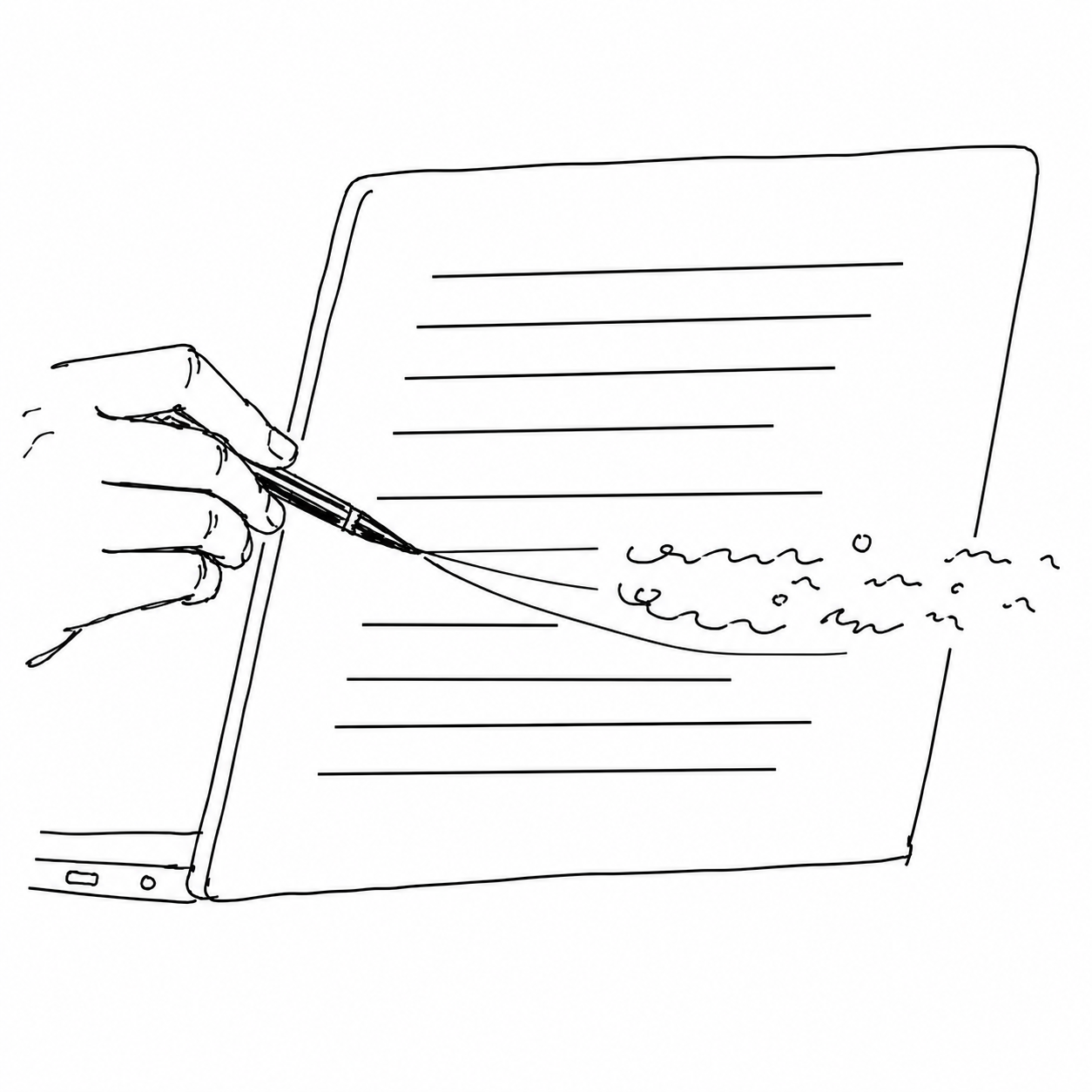
    Close-up of a pen sweeping the last squiggly underline off the laptop screen, clean prose underneath
    The new writing workflow

    Leia as explicações. Não aceite mudanças cegamente.

    Reescreva você mesmo. Use o feedback do Claude, mas faça a reescrita. É assim que você aprende.

    A Matemática

    Grammarly Premium: $12/mês × 12 = $144/ano

    Claude Pro: $20/mês (que faz isso mais umas 50 outras coisas)

    Custo líquido pra um feedback de escrita melhor: $0 a mais se você já usa o Claude.

    BrainHelpful?

    Frequently asked

    Is Grammarly worth it in 2026?

    If you want clean copy this minute and never again, yes, it earns its $144 a year. If you want to write better next year than you do now, no. It fixes the page and leaves your habits untouched, which is the opposite of what improvement requires.

    Can I replace Grammarly with Claude?

    Yes, for the writing-feedback job. Paste your draft into Claude and ask it to explain its suggestions, then rewrite the sentences yourself. You lose the live in-browser underline; you gain feedback that teaches instead of just patches. If you already pay for Claude Pro, it adds nothing to your bill.

    Does using AI to edit make you a worse writer?

    Only if you accept the changes blindly. The research and my own three years both say the same thing: outsource the thinking and you stall, engage with the reasoning and you improve. The difference is whether you read why the edit was made or just click accept.

    Will Claude catch typos and grammar errors like Grammarly does?

    It catches them when you ask, but it is not a real-time checker sitting in every text field. For a final typo sweep on something high-stakes, run one explicit pass and ask it to flag mechanical errors. For learning to write, that gap is a feature, because nothing teaches you less than a tool fixing your typos before you ever see them.

    What about Grammarly's free tier?

    The free tier handles basic spelling and grammar and costs nothing, so keep it if you want a safety net. The argument here is against paying for the upgrade, not against the free underline. None of that teaches you anything either, but at least it teaches you nothing for free.

    The Lazy Dispatch

    Weekly hacks for escaping the subscription economy, and our pulse on the advancements in artificial intelligence.