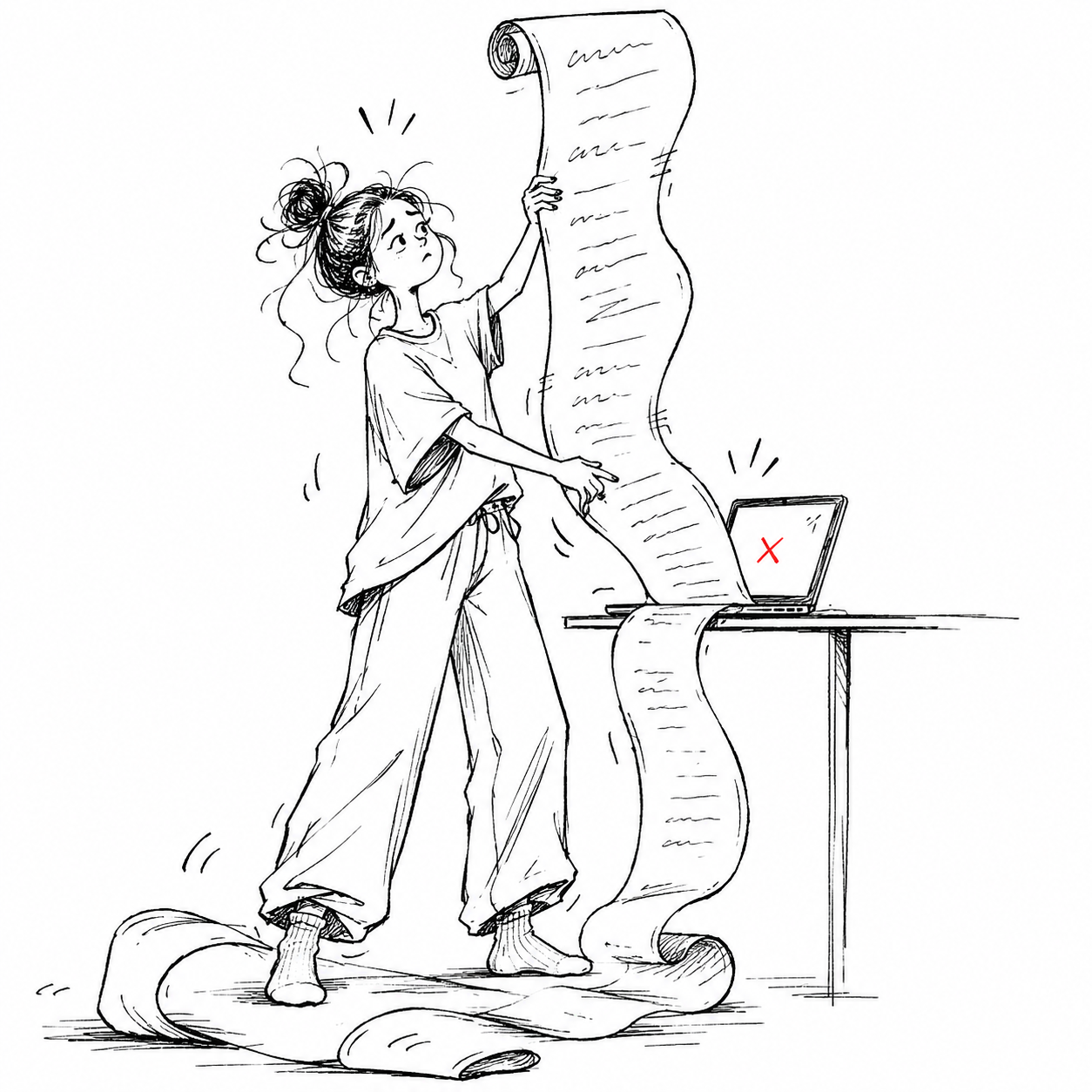
أمرك طويل وايد. هذا ليش ما يشتغل.

    أمرك طويل وايد. هذا ليش ما يشتغل.

    الثقة تغلب التغطية. كل مرة.

    4 دقائق للقراءة

    أشوفه دايماً. واحد يلصق أمر من 400 كلمة في Claude. أربع فقرات سياق. ثلاث فقرات تعليمات. فقرتين حالات استثنائية. فقرة واحدة يتوسل فيها "كن مفصل بس مختصر بس أيضاً شامل."

    المخرجات متوسطة. كل مرة.

    بعدين واحد ثاني يجي ويكتب: "صنّف هالمعاملات حسب بنود Schedule C." اثني عشر كلمة. مخرجات مثالية. من أول محاولة.

    ليش الأقصر يفوز

    الأوامر الطويلة تخلق ضوضاء. لما تعطي AI أربعين تعليمة، يحاول يرضي الأربعين. يتحفظ. يشرح زيادة. ينتج مخرجات آمنة ومنفوخة ترضي الكل وما ترضي أحد.

    الأوامر القصيرة تخلق إشارة. تقول له بالضبط شو تبي. بدون تحفظ. بدون لبس في الأولويات. الـ AI يركز على تعليمة واحدة واضحة وينفذها كويس.

    الثقة في الأمر مثل الثقة في المحادثة. الشخص اللي يقول "أحتاج X" يحصل X. الشخص اللي يقول "والله كنت أفكر يمكن X بس أيضاً Y ويمكن Z إذا مو مشكلة" يحصل فوضى.

    "الثقة في الأمر مثل الثقة في المحادثة. قول شو تحتاج. توقف تعتذر للروبوت."

    قبل وبعد
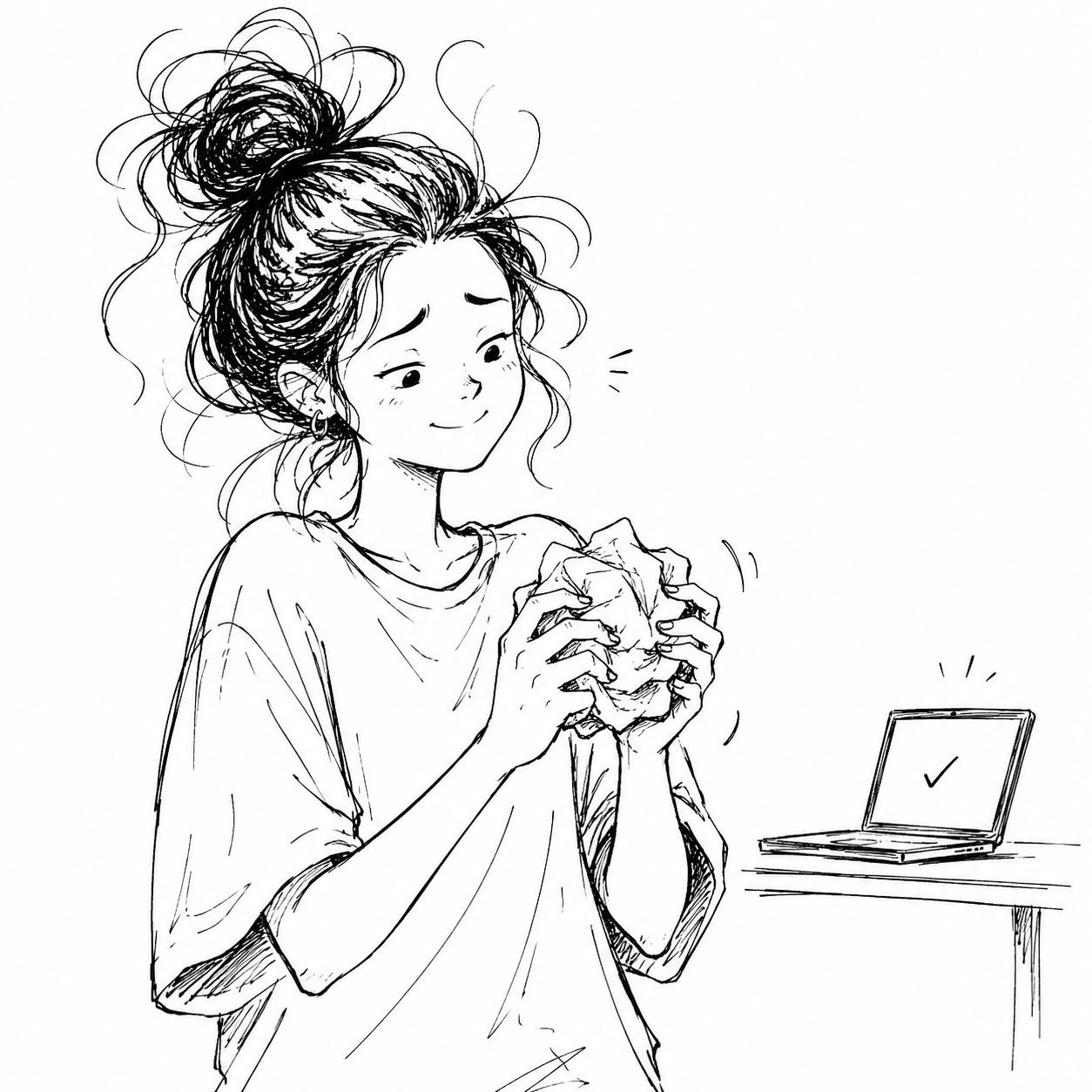
    Close-up of the woman crumpling the oversized scroll into a small ball with a relieved smile, laptop in background now shows a checkmark
    Twelve words. Done.

    أمر سيء: "عندي قائمة مصاريف عمل من حسابي البنكي وأحتاج تصنفها في تصنيفات ضريبية مناسبة. من فضلك استخدم تصنيفات قياسية معترف فيها من مصلحة الضرائب. لكل معاملة، حدد أي تصنيف تنتمي له. إذا مش متأكد، حددها."

    أمر كويس: "صنّف هالمعاملات حسب بنود Schedule C. علّم أي شيء غامض."

    نفس النتيجة. عُشر الكلمات.

    أمر سيء: "تقدر تساعدني أعيد كتابة هالإيميل يبان أكثر احترافية؟ أبيه يكون واضح بس مش رسمي زيادة. هو لعميل عندي علاقة كويسة معه بس لسى أبي أحافظ على الاحترافية."

    أمر كويس: "أعد كتابة هالإيميل. احترافي بس ودود."

    خمس كلمات. مخرجات أحسن. لأن الـ AI مش غارق في تعليمات متناقضة.

    القاعدة

    إذا أمرك أطول من المخرجات اللي تبيها، في شيء غلط. الأمر لازم يكون مسدس بداية، مش رواية. قول المهمة. قول الصيغة إذا مهمة. وقف.

    الناس اللي يحصلون أحسن نتائج من AI مش يكتبون مقالات في خانة الإدخال. يكتبون عناوين. واضحة، مباشرة، واثقة. الـ AI يسوي الباقي.

    توقف عن الشرح الزائد. ابدأ بالأوامر.

    أوامر سلة الدولار حقتنا هي الإثبات. قصيرة، مجربة، فعّالة. $1 كل واحد. /dollar-bin
    BrainHelpful?

    Frequently asked

    Why is my AI prompt not working even though it is really detailed?

    Probably because it is too detailed. Long prompts tend to carry instructions that contradict each other, like "be concise" next to "explain everything," and the model splits the difference instead of choosing. Cut it down to the one thing you actually want, name the format, and try again.

    Are short prompts always better than long ones?

    No. Short prompts win when the task is already clear, which is most everyday work. Genuinely complex or context-heavy tasks still need their context, and a too-short prompt there will get you a confident guess instead of an answer. The skill is matching the length to the job, not racing to the fewest words.

    What is prompt bloat?

    Prompt bloat is when a prompt is padded with so much context, hedging, and overlapping instruction that the extra words start hurting the output instead of helping it. The model spends effort reconciling contradictions and over-explaining, and you get safe, gray answers. The cure is cutting, not adding.

    How long should an AI prompt be?

    As long as the task honestly requires, and not one word longer. A good gut check: if your prompt is longer than the output you are hoping to get back, you are probably over-explaining. Name the task, name the format if it matters, stop.

    Does this work with any AI tool or just one?

    Any of them. Confidence over coverage is a property of how these models weigh instructions, not a quirk of one brand. The same short, direct prompt that works in Claude works in GPT, Gemini, Perplexity, or whatever you keep open.

    The Lazy Dispatch

    Weekly hacks for escaping the subscription economy, and our pulse on the advancements in artificial intelligence.