Der Lazy Weg, sich auf 50 Jobs zu bewerben, ohne auszubrennen
    ReadListen

    Hör auf, deinen Lebenslauf jedes Mal von Grund auf neu zu schreiben

    10 Min. Lesezeit

    Jobsuche ist erschöpfend, weil wir es falsch machen. Wir behandeln jede Bewerbung so, als wäre sie einzigartig, obwohl 80% davon identisch sind.

    Der traditionelle Ansatz (erschöpfend)

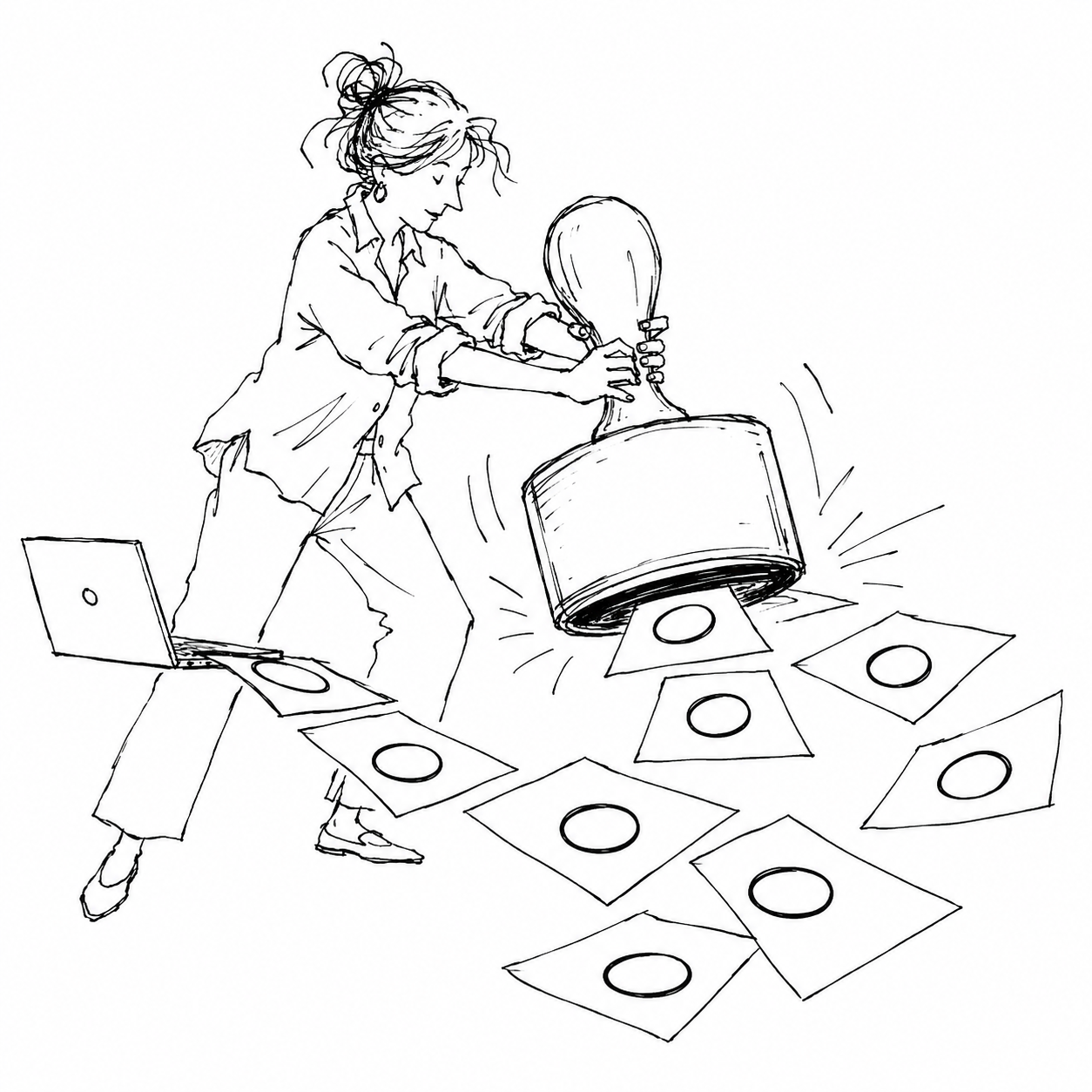
    Stellenanzeige lesen. Lebenslauf öffnen. Stichpunkte umschreiben, um zu den Keywords zu passen. Individuelles Anschreiben verfassen. Absenden. 50 Mal wiederholen. Ausbrennen. Aufgeben.

    "Traditionell: 45 Minuten pro Bewerbung × 50 Bewerbungen = 37,5 Stunden. Lazy Methode: 10 Minuten × 50 = 8,3 Stunden. Du sparst fast eine ganze Arbeitswoche."

    Der Lazy Ansatz (effektiv)

    Erstelle ein Master-Dokument mit jeder Leistung, die du je erbracht hast. Nutze Claude, um die richtigen Leistungen zu jeder Stellenanzeige zuzuordnen. Generiere maßgeschneiderte Unterlagen in 5 Minuten statt 45.

    Das Master-Dokument

    Das ist der Schlüssel. Du brauchst einen Ort mit: jedem Job, den du hattest, jedem Projekt, das du abgeschlossen hast, jeder Fähigkeit, die du entwickelt hast, jeder Kennzahl, die du vorweisen kannst.

    Das meiste davon hast du schon im Kopf oder verstreut über alte Lebensläufe. Nimm dir einen Nachmittag, um alles zusammenzutragen.

    Anschreiben in 2 Minuten

    Gleicher Prozess. Stellenanzeige einfügen. Fragen: „Schreib ein Anschreiben mit 3 Absätzen, das meinen Hintergrund mit dieser Stelle verbindet. Sei konkret, nicht generisch."

    Das Ergebnis ist nicht perfekt, aber zu 90% fertig. Du fügst deine persönliche Note in 2 Minuten hinzu.
    Close-up of the oversized rubber stamp crushing a job-application rectangle, ink-mark imprinting in the moment of impact
    Job hunting doesn't have to be painful
    BrainHelpful?

    Frequently asked

    How long does it take to apply to 50 jobs with this method?

    About 8 hours of focused work, versus roughly 37 if you rebuild each application by hand. The split is one afternoon to build your master document once, then around 10 minutes per application to let the AI tailor your bullets and draft a cover letter while you add your voice. The afternoon is the investment. The 10-minute applications are the payoff.

    Is it cheating to use AI to write my resume and cover letters?

    No, as long as everything is true. You are not inventing experience, you are selecting and phrasing experience you actually have. That is the same thing a good career coach charges you for. The line you do not cross is letting the tool claim a skill you do not have, which is why a good prompt asks it to flag where your background is thin instead of bluffing.

    Will an applicant tracking system reject my resume if I use AI?

    No. An ATS sorts and surfaces resumes for a recruiter to read; it is not a robot deleting you for using AI. Matching the posting's real language helps a busy human find the relevant parts faster, since the average resume skim is about seven seconds. Stuffing in keywords unnaturally hurts, because both the software and the recruiter notice. Use the words the way a person would.

    What goes in the master document?

    Every job, every project, every skill, and every metric you can honestly claim, all in one file. Pull it from old resumes, LinkedIn, performance reviews, and memory. Put real numbers on whatever you can, because a specific number is what a stranger can picture in a seven-second skim. You build it once and reuse it for every application after.

    Which AI tool should I use for this?

    Any capable assistant works. Claude, ChatGPT, Gemini, and others all handle the match-and-tailor job. Claude Pro runs $20 a month and does this plus fifty other things, so if you already pay for one of these, the job search costs you nothing extra. The method matters more than the brand of tool.

    Related product

    Lazy Job Search

    Apply to 50 jobs without burning out.

    The Lazy Dispatch

    Weekly hacks for escaping the subscription economy, and our pulse on the advancements in artificial intelligence.